Understanding the psychological triggers behind gambling behaviors
The Allure of Risk and Reward
The thrill of gambling often hinges on the excitement associated with risk and reward. This dynamic taps into our natural instincts and psychological needs, making players feel alive and engaged. The anticipation of a big win can create a rush of adrenaline, often referred to as the “gambling high.” Players can explore new games, such as https://plinkogame.net.in/, which can lead to more thrilling experiences. This emotional high can be intoxicating, causing individuals to chase that feeling repeatedly, which may lead to problematic gambling behaviors over time.
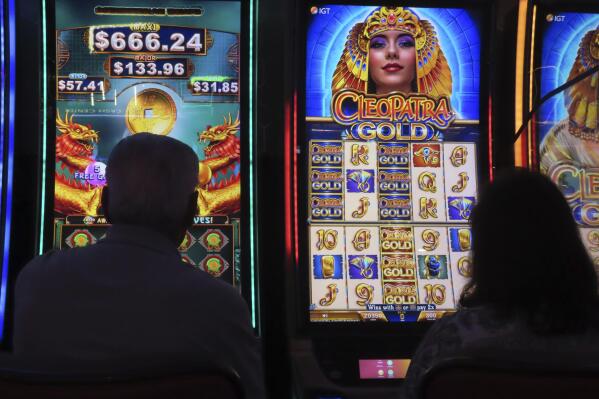
Moreover, the structure of games, including elements like randomness and uncertainty, further enhances this allure. The unpredictability of outcomes creates a compelling environment where players feel they have a chance to influence their success, even if the odds are stacked against them. This illusion of control can significantly amplify engagement, making it difficult for individuals to step away from gambling activities.
The Role of Cognitive Biases
Cognitive biases play a pivotal role in shaping gambling behaviors. Many gamblers fall prey to the “gambler’s fallacy,” believing that past outcomes influence future results. This misunderstanding can lead players to make irrational betting choices, thinking they can predict the next outcome based on previous experiences. Such biases create a dangerous loop, where the gambler continues to play in hopes of overcoming a perceived negative streak.
Another significant cognitive bias is the “near miss” effect, where players feel they were close to winning, which can reinforce the desire to gamble more. These psychological triggers lead to a distorted perception of risk versus reward, making it challenging for gamblers to recognize when to stop playing and contributing to compulsive behaviors.
Many individuals turn to gambling as a form of escapism from daily stressors and emotional turmoil. The immersive nature of gambling environments, whether in a physical casino or through online platforms, allows players to disconnect from reality temporarily. This escape can be appealing, especially during times of distress, leading people to engage in the plinko game to alleviate negative emotions.
However, while gambling may provide short-term relief, it can exacerbate underlying emotional issues over time. As individuals find solace in gambling, they may neglect healthier coping mechanisms, further entrenching their reliance on this behavior. This cycle can create a dependency that is difficult to break, as the initial emotional relief morphs into a compulsion.
Social Influences and Group Dynamics
The social aspect of gambling can significantly influence behavior. Group dynamics often encourage individuals to gamble more than they would alone. The presence of peers, whether in a casino or an online gaming platform, can create a sense of camaraderie and shared excitement that propels individuals into spending more money and time on gambling activities.
Additionally, social validation plays a crucial role. When friends celebrate wins and share thrilling stories, it can reinforce the notion that gambling is a positive and rewarding experience. This collective enthusiasm can lead to a heightened sense of belonging, making it even harder for individuals to recognize when their gambling habits may be turning harmful.

Exploring the Plinko Game Experience
In the vibrant landscape of online gaming, the app stands out as a prime example of how psychological triggers can enhance user engagement. With its unique blend of strategy and chance, players are drawn to the thrill of placing explosives on structures to achieve massive chain reactions for potential rewards. This interactive experience capitalizes on the excitement of risk and the allure of high multipliers, making it a captivating choice for both casual and serious gamblers.
Furthermore, the ’s user-friendly interface and multiple gameplay modes encourage users to explore different strategies, further engaging their cognitive biases. Whether opting for the risk-free demo mode or participating in real-money play, players are consistently reminded of the exciting possibilities that the game offers, contributing to a cycle of increased gambling behaviors as they chase the next big win.
“`
Leave a Reply