The evolution of casinos from ancient gaming halls to modern entertainment hubs
Origins of Gaming: Ancient Civilizations
The history of casinos can be traced back to ancient civilizations, where the concept of gaming was already deeply ingrained in social activities. Archaeological evidence suggests that games of chance, often played with dice, were popular in ancient Mesopotamia, Egypt, and China. These early gaming halls were informal, often set up in public spaces, allowing individuals to engage in gambling as part of communal gatherings. Today, players look for the fastest withdrawal online casinos to ensure their winnings are quickly accessible.

In these early societies, gaming served not just as entertainment but also as a means of social bonding. The rituals and customs surrounding these games were often linked to religious beliefs, making them a significant aspect of cultural identity. As trade routes expanded, so too did the influence of these games, paving the way for more organized gambling establishments.
The Rise of Formal Casinos in Europe
The emergence of formal casinos in Europe during the Renaissance marked a pivotal moment in the evolution of gambling. The first official casino, the Ridotto, was established in Venice in the early 17th century, providing a regulated environment for gaming. This establishment catered to the nobility and wealthy merchants, enhancing the luxurious experience of gambling.
As casinos spread across Europe, they became associated with high society, elaborate architecture, and extravagant entertainment. These venues offered not only games of chance but also social events, music, and dining, creating a comprehensive leisure experience. This period solidified the reputation of casinos as glamorous entertainment hubs.
Casino Development in the United States
The American gambling landscape began to take shape in the 19th century with the establishment of various gaming halls. Initially, these venues were primarily found in the Western frontier, where the allure of gold and quick riches attracted a diverse crowd. However, it was in cities like New Orleans and Las Vegas that casinos began to thrive and evolve into major entertainment destinations.
The legalization of gambling in Nevada in 1931 sparked a transformation. Las Vegas quickly became synonymous with glitz and glamour, transforming from a dusty town into a bustling metropolis filled with luxurious casinos. The integration of shows, dining, and themed experiences further solidified casinos’ roles as comprehensive entertainment hubs that catered to a wide audience.
Modern Innovations: Technology and Design
The late 20th and early 21st centuries saw a technological revolution that reshaped the casino experience. The advent of online gambling platforms introduced a new dimension to gaming, allowing players to enjoy their favorite games from the comfort of their homes. This shift not only expanded the audience but also necessitated casinos to innovate and enhance their offerings.
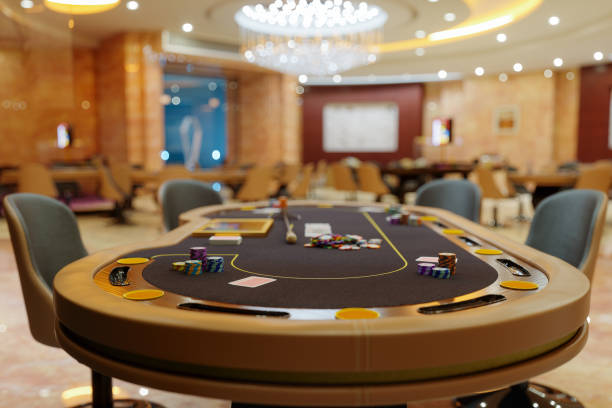
Modern casinos have embraced cutting-edge technology, featuring interactive gaming experiences, virtual reality, and sophisticated security systems to ensure a safe environment. Additionally, the design of contemporary casinos has evolved, blending luxury with comfort and incorporating diverse entertainment options, from live shows to gourmet dining, creating multifaceted venues that cater to all tastes.
Ensuring Security and Authenticity in Online Gaming
As the landscape of gambling continues to evolve, so does the need for secure online interactions. Websites dedicated to ensuring the authenticity of users are vital in maintaining trust within the digital gaming environment. Effective verification methods help keep online platforms safe, allowing players to engage without fear of fraudulent activities.
The commitment to user safety and security fosters a reliable atmosphere for online gambling, enhancing the overall experience. As the industry moves forward, the integration of robust verification processes will be crucial in preserving the integrity and enjoyment of both traditional and modern gaming experiences.
Leave a Reply